
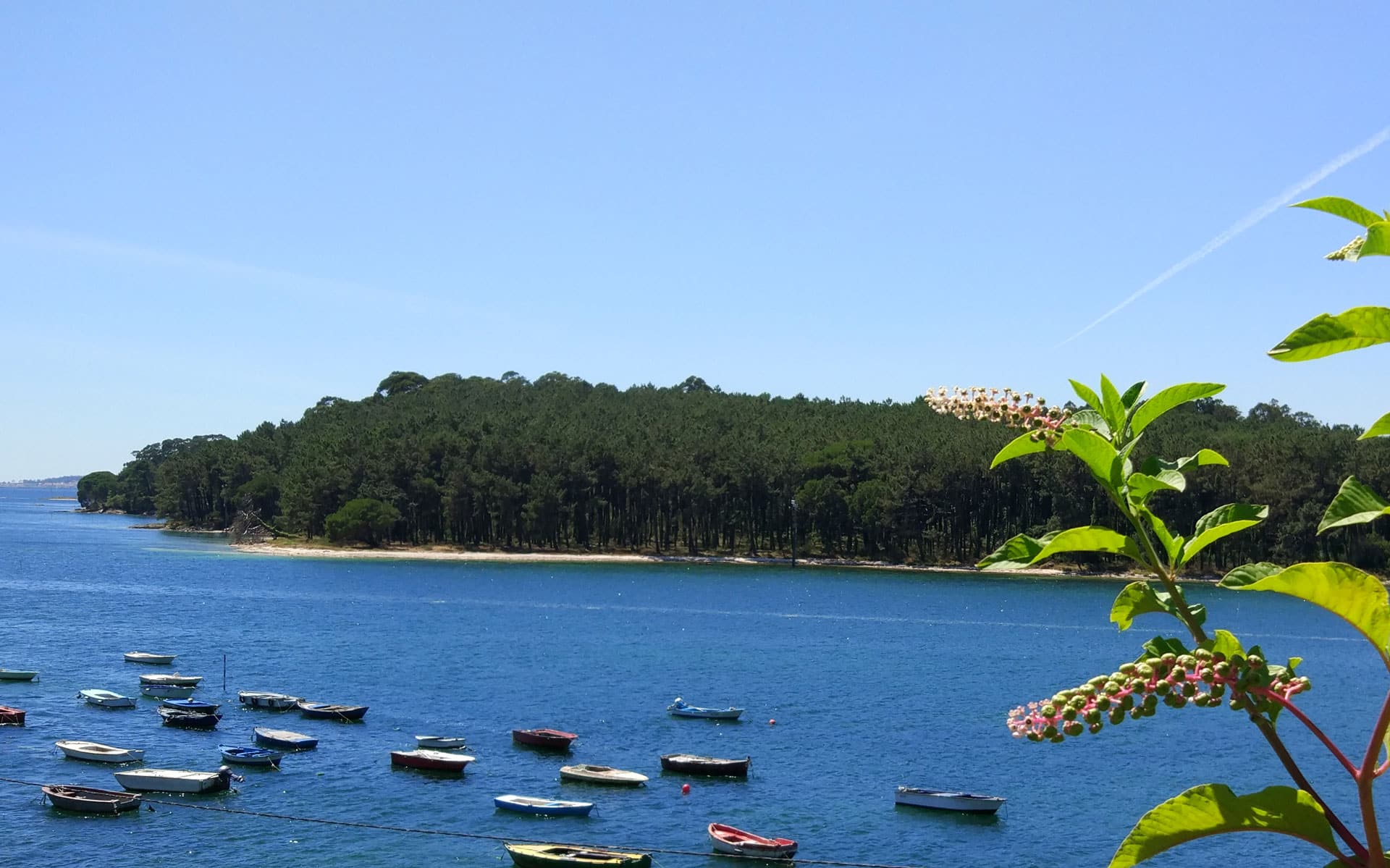
Cortegada Island has a long history going back to Greek and Roman times. Corticata was the name the Roman historian Pliny the Younger used for this island back in the 1st century.
History of Cortegada Island
In the Middle Ages, Normans and Muslims set their sights on Santiago de Compostela and its treasures. The gateway to the city of the Apostle was the Ría de Arousa, so several defensive towers were built there, one of them, now gone without trace, on Cortegada Island. The chapel of the Virgen de los Milagros, where many pilgrims came seeking relief, dates from 1334. It was later rebuilt, in the 17th century, outside the village, to stop the stream of sick pilgrims hoping for a miracle cure from infecting the islanders.
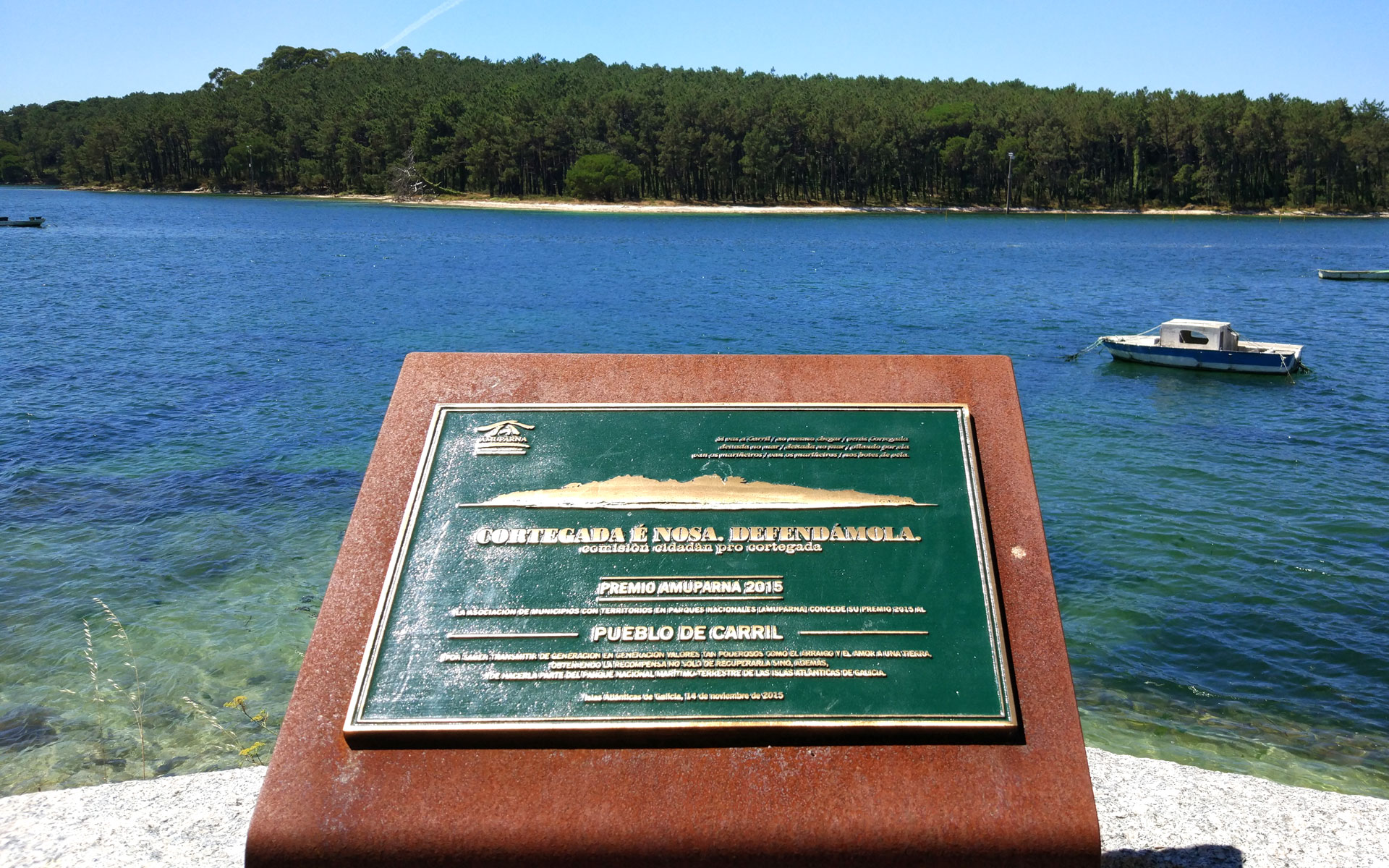
In more recent times the village belonged to the municipality of Carril (now Vilagarcía de Arousa) and paid tribute to the Pazo da Gulpilleira manor. In the early 20th century, its 211 tenants were expropriated at the initiative of a local businessman, who intended to build a royal summer residence as a gift for King Alfonso XIII of Spain. The king visited the island only once, in September 1907, and in the end chose Santander for his summer palace, the Palacio de la Magdalena.
The island was later sold to a private company by his son, Don Juan de Borbón, in 1978, but determined opposition from local and environmental groups stopped it from becoming a luxury resort, whose plans even included a bridge to the mainland.
Atlantic Islands of Galicia Maritime-Terrestrial National Park
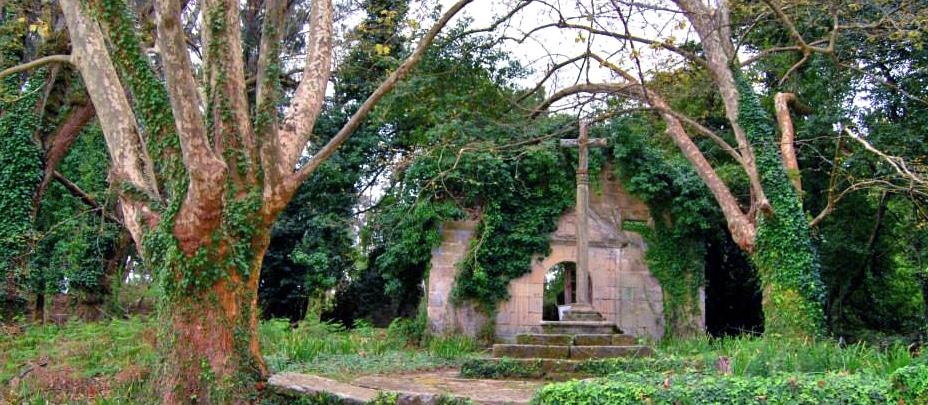
More recently, Cortegada was bought back by the government and added to the Atlantic Islands of Galicia Maritime-Terrestrial National Park. The island was inhabited until the late 19th century and had a monastery, a hospital and a lazaretto. Today you can still see the remains of several stone houses, sheds and storehouses, the 17th-century stone chapel and a jetty.
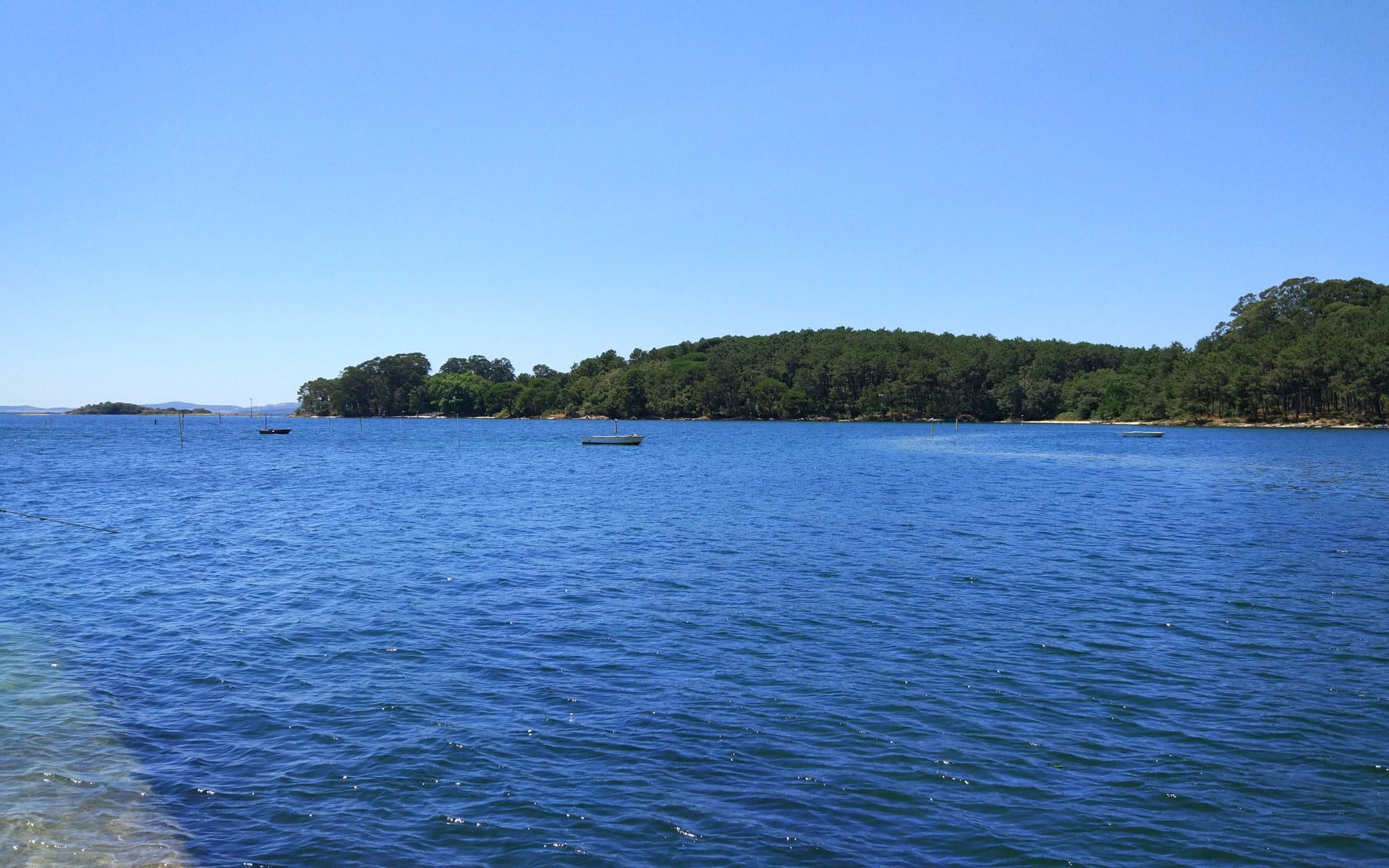
The island has been shaped by people. The nutrients added by human activity have created fertile soil. Fertilisation from crops, livestock and the droppings of bird colonies has changed the make-up of the soil, favouring some species over others.
In a 2007 documentary for Galician public television, some elderly descendants of the islanders recalled that the island was divided into farms and fields, without today’s tree cover. The trees of the magnificent laurel forest that you can visit on the island today, the largest in Europe, are descended from scattered laurels that grew in the old gardens.